
Looking for a brief and easy-to-understand guide to construction sand? You’ve come to the right place to learn about which types of sand are most popular, where they’re most commonly used, and the process of ordering and quarrying sand.
We at Twisted Nail are your sand hauling experts and can assist you with all parts of the hauling process, from choosing the right type of sand to selecting an amount to delivery. While we covered some more specific details in two previous blogs on commercial uses for sand and residential uses for sand, we’ll cover all the basics you need to know with this full construction sand guide.
Commercial Uses for Sand
Sand can be used in commercial construction projects from anything like public playgrounds to walls and flooring. In Texas, there are six main types of sand which are commonly used, and we’ll go into deeper detail about each of them.
Residential Uses for Sand
As explained in our previous blog on residential uses for landscaping sand, sand has always played an important role in not only commercial construction, but also residential projects. In fact, sand is such a versatile material that it can be used almost anywhere around the home, from gardens to patios to pools.
Because sand is so versatile, there are many types which overlap and can be used for both commercial and residential uses. These include manufactured sand, silica sand, washed sand, fill sand, and utility sand. The last type of sand that has not yet been covered is crushed stone sand.
Crushed Stone Sand is similar to manufactured sand in that it is formed through pulverizing large pieces of rock. However, it is often used when mixed with concrete instead of by itself. In addition, it is not as strong or cheap as manufactured sand, which is why it is a less popular choice for commercial construction. The most common places you’ll find crushed stone sand are in gardens or landscaping.
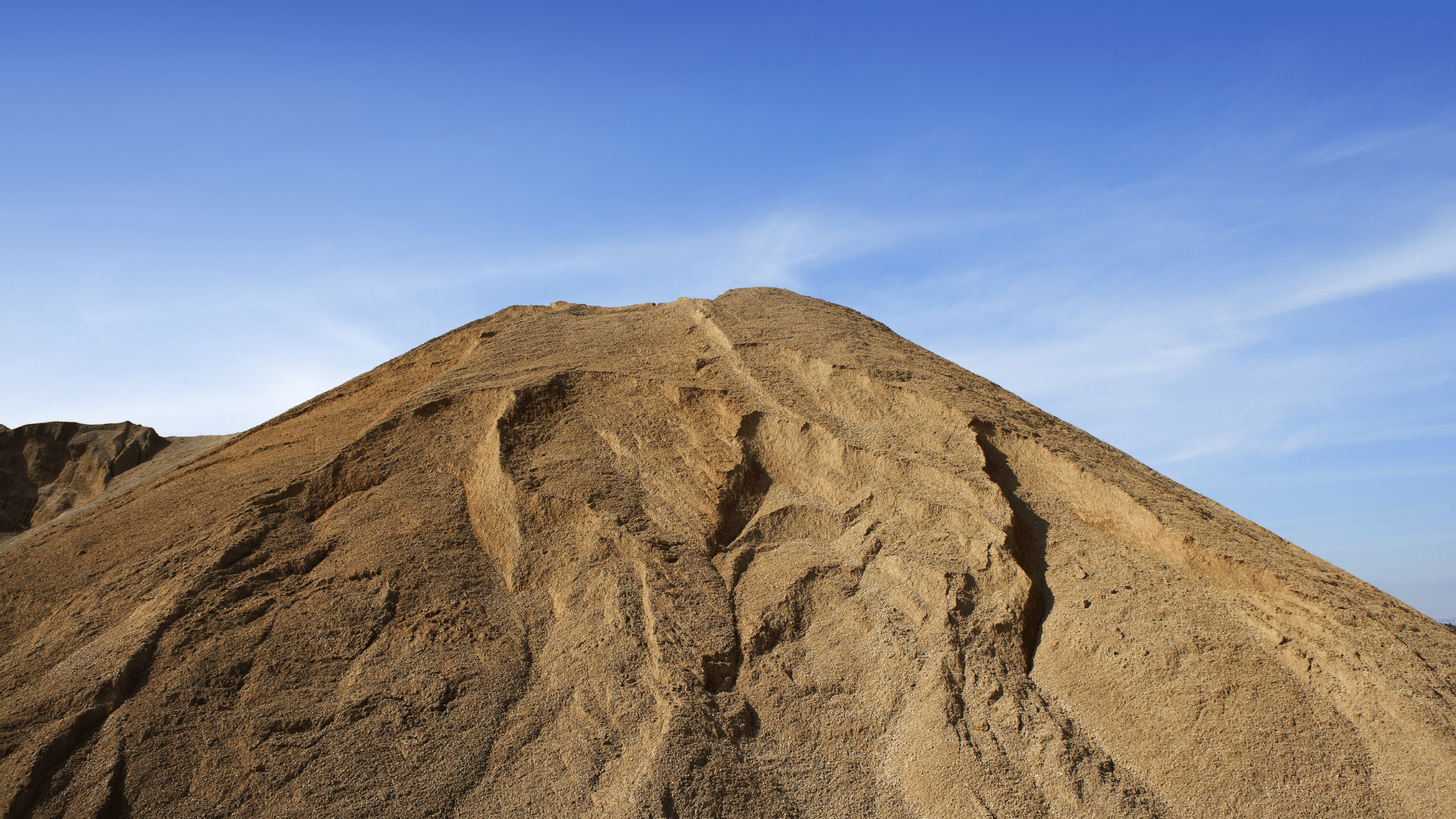
For residential purposes, some other common areas which use sand include meditation gardens, walking paths, and home sports areas. Because sand is so compact, it provides a good filler to hold together other materials or to create a sturdy surface. It’s also aesthetically appealing and pairs well with other materials like pebbles, rocks, or pea gravel.
Order Quarry Direct Trucking
Like rock and stone, sand is mined from quarries both on land and in riverbeds. With our wide range of quarry connections, we can provide quick and affordable sand hauling services. We provide pit-to-plant, pit-to-jobsite, and pit-to-consumer hauling, which means that we can deliver the amount and type of material you need directly to your preferred location.
Contact Us for Construction Sand Today
We hope this construction sand guide has been helpful, and we at Twisted Nail are here to support your next commercial or residential construction project and to answer any questions you may have. We are your sand hauling professionals in the Waco, Bryan, and Austin areas of Texas, providing you with unmatched sand hauling services. Whether you need a broker for a hauling deal, someone to perform the hauling, or just some professional advice, we’re here to help you every step of the way.
